Playground Fall Heights Explained: What Every School and Park Needs to Know
Ever notice how kids can take a tumble, pop right back up, and keep playing like nothing happened? Meanwhile, one wrong step for an adult and we’re icing a knee for a week. The difference isn’t superpowers—it’s smart playground design.
At PlaygroundEquipment.com, we know that behind every safe, laughter-filled play area is careful attention to something called playground fall height. It’s the science (and safety standard) that helps turn big adventures into safe ones, giving kids the freedom to climb, slide, and soar—without turning fun into fear.
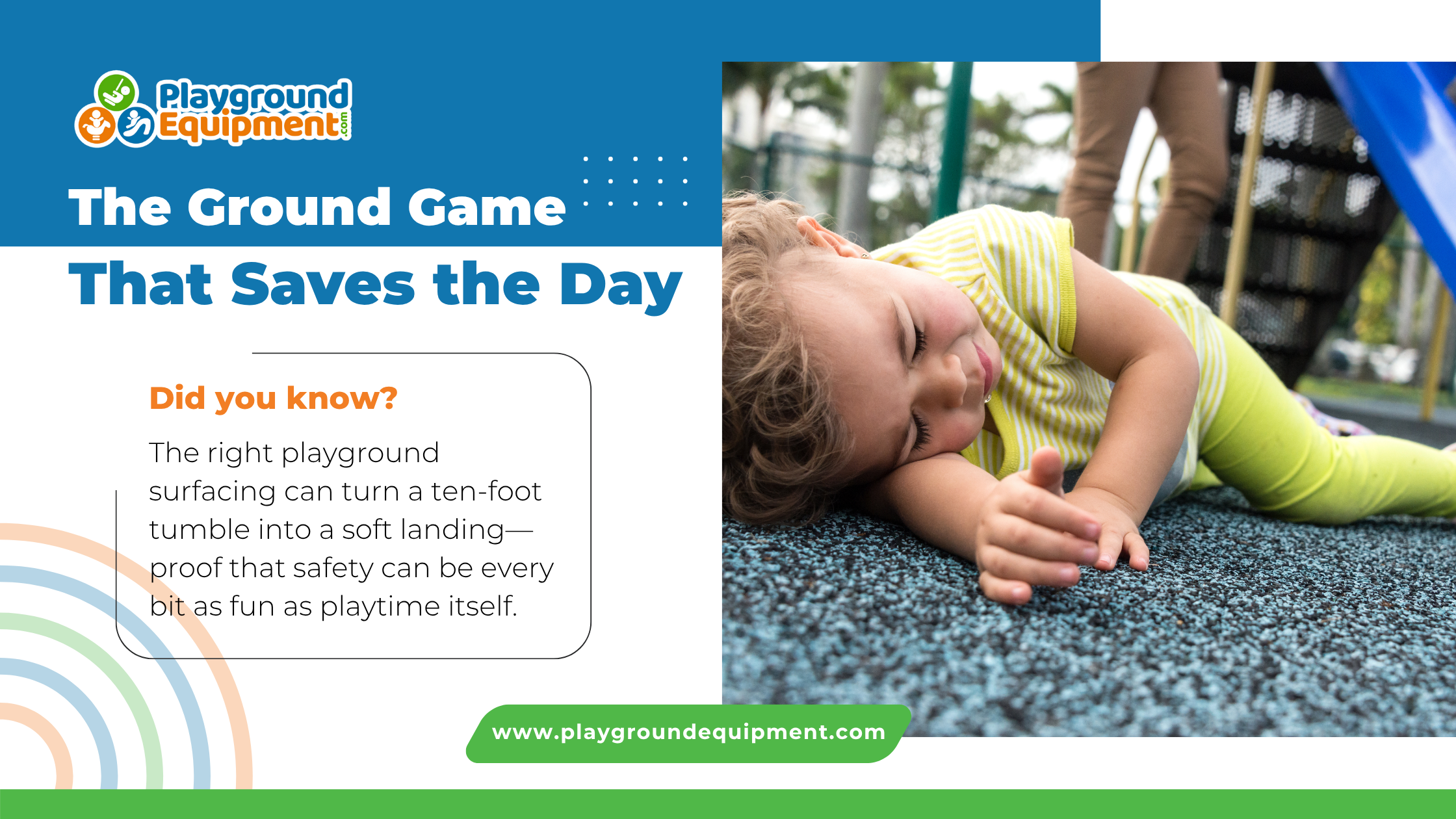
Understanding fall heights isn’t just for engineers or inspectors—it’s something every school, park, and community planner should have in their back pocket. Fall height is what connects thrilling playground design to real-world safety. When you know how high kids climb and how soft the ground beneath them needs to be, you’re not just building a playground—you’re building confidence, creativity, and care into every play space.
So, let’s break it down together: what playground fall height really means, why it matters, and how the right design choices can keep every landing soft, every climb safe, and every giggle worry-free.
The Height of Safety: What Playground Fall Height Really Means
Let’s be honest, “playground fall height” doesn’t exactly sound like the life of the party. But here’s the truth: it’s one of the unsung heroes of safe, worry-free play.
Simply put, playground fall height is the vertical distance from the highest point a child can stand, sit, or climb to the protective surface below. It’s how playground designers measure just how far a fall could go, and how much cushioning is needed to keep that tumble harmless.
Think of it like a built-in safety rule for fun: the higher the climb, the softer the landing should be. A tall slide or a set of monkey bars will have a greater fall height than a low balance beam, which means the surface underneath needs to work harder to absorb impact.
It’s a simple concept that makes a big difference. By understanding and planning around playground fall height, designers, teachers, and park planners can make sure every leap, climb, and swing ends with laughter, not a bandage.
Cushioning the Fun: The Science Behind Playground Fall Height and Safety Surfacing
Here’s the thing: grass, dirt, and concrete might look fine underfoot, but when it comes to safety, they just don’t make the cut. Real protection comes from surfacing materials that can absorb impact energy and soften every landing. That’s where science meets play.
Every playground surface is tested to handle a specific playground fall height—the maximum distance a child could fall safely. The goal? To make sure a stumble turns into a giggle, not a trip to the nurse’s office.
Poured-in-Place Rubber
Durable, colorful, and endlessly customizable, poured rubber surfaces provide reliable cushioning for fall heights up to 10 feet or more, depending on thickness. It’s a premium option that keeps things safe and stylish.
Rubber Mulch
A budget-friendly favorite that still packs impressive shock absorption. Perfect for moderate fall heights, rubber mulch brings color, texture, and bounce to any play space.
Engineered Wood Fiber (EWF)
Natural-looking and soft underfoot, EWF offers solid protection for typical fall heights—as long as it’s maintained at the proper depth. A little upkeep goes a long way in keeping it effective.
When the surfacing matches the playground fall height, safety and play stay perfectly balanced. It’s a science-backed way to keep every jump, swing, and leap as carefree as playtime should be.
Rulers Ready: Measuring Playground Fall Height the Right Way
When it comes to safety, playground fall height isn’t something you measure by guesswork; it’s pure precision. Every inch matters, and every measurement helps ensure a safer, smarter playground design.
So how do the pros measure it? It’s simple science with a serious purpose:
Slides
Measure from the top of the slide platform straight down to the surface below. That’s your official playground fall height for the structure.
Swings
It’s not about how high a child can swing; it’s about the maximum height of the seat when the swing is fully extended.
Climbers
For climbers and play towers, measure from the highest point a child can stand, step, or grip to the protective surface below.
These exact measurements aren’t just technicalities; they’re the foundation of safe design. A small miscalculation could mean the difference between compliance and costly rework later on.
By understanding how playground fall height is measured, planners, designers, and maintenance teams can keep safety at the forefront and make sure every piece of equipment is ready for worry-free fun.
Play by the Rules: Why Playground Fall Height Compliance Matters
Here’s the deal—playground fall height isn’t just about safety; it’s about staying compliant with the rules that keep play spaces open, trusted, and worry-free. The Consumer Product Safety Commission (CPSC) and ASTM International set the standards that determine how fall heights are measured and how deep protective surfacing needs to be.
If your surfacing doesn’t meet the required fall height rating, your playground could fail inspection—or worse, put children at risk of injury. That’s why every successful playground project starts with smart planning, accurate measurements, and surfaces designed for real-world play.
Compliance might sound technical, but it’s really about confidence. When a playground meets fall height standards, parents, teachers, and communities can relax knowing that safety isn’t just an afterthought—it’s built right in.
After all, the best playgrounds aren’t just fun to play on; they’re built to keep kids safe while they do it.
Built for Adventure: Designing Playgrounds Where Fun Meets Fall Height
Safety doesn’t have to mean boring. The best playgrounds strike that perfect balance between fun and function—where kids can climb high, swing far, and test their limits in a space designed to catch them safely every time.
Smart design starts with understanding playground fall height. It’s what allows kids to explore freely without crossing into unsafe territory. By planning around fall heights, designers can shape playgrounds that feel thrilling yet stay completely within safety standards.
For example:
- Younger explorers (ages 2–5) thrive on smaller challenges, so their zones keep fall heights around 3–4 feet. Think low slides, gentle climbers, and plenty of ground-level play.
- Older adventurers (ages 5–12) are ready for bigger climbs and bolder moves—structures up to 8–10 feet high, supported by the right impact-absorbing surfacing.
By layering these zones together, you get a playground that grows with its users—energetic, age-appropriate, and always safe.
When design and playground fall height work hand in hand, the result isn’t just a safe space—it’s a place that sparks imagination, courage, and pure joy.
The PlaygroundEquipment.com Advantage: Building Safer Play from the Ground Up
When it comes to creating truly great playgrounds, we don’t just sell equipment; we build confidence. At PlaygroundEquipment.com, every project we take on is backed by expertise, precision, and a deep understanding of what makes play both safe and exciting.
From expert guidance on playground fall height compliance to choosing the perfect surfacing and structures, our team is with you every step of the way. You get certified, durable equipment, seamless installation support, and a partner who cares as much about safety as you do.
Because every playground should be a place where kids can run, climb, and imagine freely, without fear, without limits, and without compromise.
Ready to design a safer, smarter, and more inspiring playground? Contact us today, and let’s build the kind of play spaces that make every leap, laugh, and landing a safe one.
Learn About the Author

A CPSI-certified playground inspector, Nic has been with PlaygroundEquipment.com for over three years. Nic has a keen interest in playground design, construction, and installation, and he uses this passion to drive his work to new heights. In his free time, Nic enjoys hanging out with friends and living life to its fullest.
Nic on linkedin